The work comp meme is our industry is always 20 years behind the rest of the world.
Of late, that’s been overly optimistic, as insurers actually turn the clock back even further as they adopt tried-and-failed methods of buying medical services. Methods that healthplans, Medicare, and Medicaid have found counter-productive at best and disastrous at worst.
I’m referring to the recent expansion of the role of purchasing and procurement. Several large workers’ comp payers appear to be giving up on medical management by experts, and have ceded responsibility for medical management to procurement/purchasing.
This isn’t just involving procurement/purchasing in the buying decision, but rather giving the P/P department authority over contracting with vendors that provide medical management services, networks, bill review et al.
This makes zero sense, for multiple reasons.
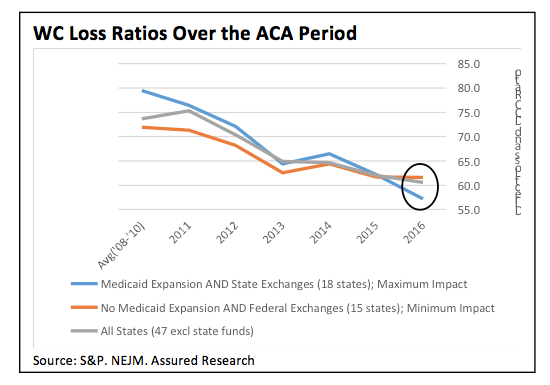
- Work comp medical costs are flat to declining. That isn’t due to anything P/P has done, but a combination of
- Impact of ACA
- A dramatic reduction in drug spending over the last six years driven by a lot of work on the part of payers’ medical management staffs and their PBMs
- More and tighter focus on directing to effective providers
- Premiums are lower, while profits are solid, primarily because of 1. above, and despite pretty low investment returns.
- As I noted a year ago; “I’ll add that given the rapid evolution in health care delivery; provider consolidation; major changes in reimbursement; the growing impact of ACOs, medical homes, and alternate delivery systems; a deep understanding of health care delivery is critical to long-term success in workers’ comp.”
So, since things are going so well, some carriers have decided that the best way to keep the gravy train rolling is to squeeze prices for medical services. Because that’s really what P/P departments do best.
And, as every other purchaser of healthcare has learned, it categorically DOES NOT WORK IN HEALTH CARE.
The value equation in health care is Value = Cost (price per service x volume of services x type of services) divided by Outcomes.
Price-driven decisions address one tiny part of that equation and do nothing to address volume or type of service or outcomes.
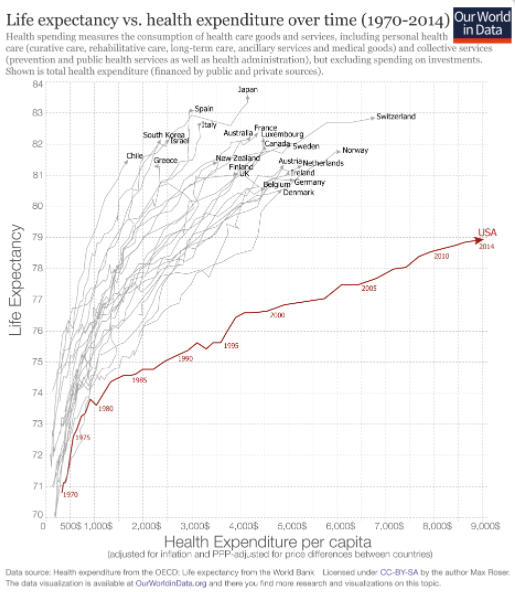
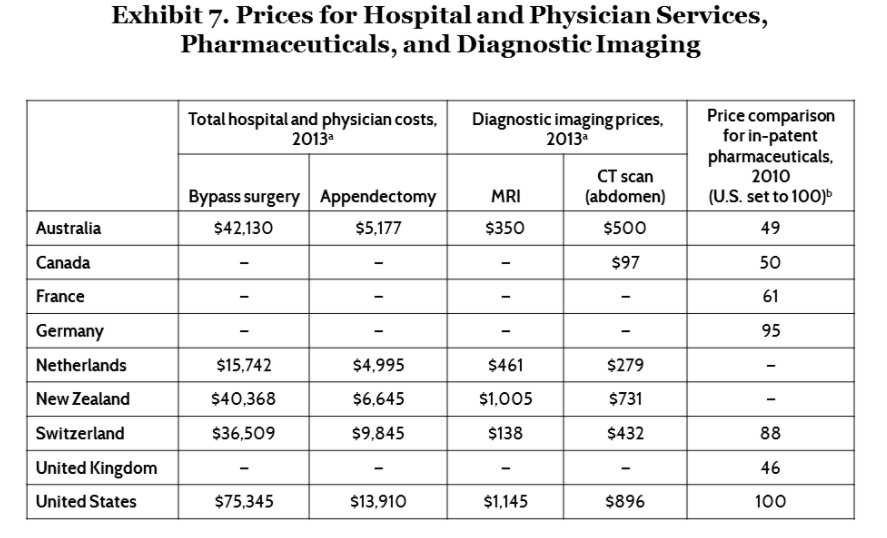
If controlling price was the answer, we wouldn’t have cost inflation in Medicare, or Medicaid, or work comp PT in many jurisdictions. Because providers are really smart folks, and when they see the price go down, they adapt – instantly. Here’s how this works.
John comes into the office with a sore ankle. Doctor wants to do an X-ray. Payer reimburses $22 for an X-ray. Doctor does several X-rays when one or two would be sufficient.
Worse, Doctor orders an MRI. Or two.
Price controls = higher utilization = higher cost and longer time out of work.
In the real world, healthcare buyers have moved to Value-based purchasing. Make no mistake, this is fundamentally different from what we’re seeing in workers’ comp. Work comp purchasing is almost always price-per-service based, while VBP is:
Value-based purchasing is a demand side strategy to measure, report, and reward excellence in health care delivery… making decisions that take into consideration access, price, quality, efficiency, and alignment of incentives. Effective health care services and high performing health care providers are rewarded with improved reputations through public reporting, enhanced payments through differential reimbursements, and increased market share through purchaser, payer, and/or consumer selection.
This is NOT what we’re seeing in work comp, instead P/P is forcing vendors to cut prices. Of course, these vendors then have to get their medical providers to cut their prices. And those vendors no longer have the resources to do things like, say, focus on opioid over-utilization or over-use of PT services.
What does this mean for you?
P/P-driven medical management decisions will increase costs for payers and employers; smarter payers will eat their lunch.